
by: Michael Constantine Bhanos
written on: June 11th, 2026
Overlanding gets a bad rap sometimes.
You know the joke.
Someone loads up a truck with a roof rack, recovery boards, a rooftop tent, a fridge, camp lights, traction gear, an awning, water storage, a battery system, and enough accessories to cross a continent — only to use it for the most extreme expedition of all: driving to Whole Foods and back.
Fair enough. It’s funny because we’ve all seen some version of it.
But I also think the joke misses something important.
The Numbers Don’t Lie
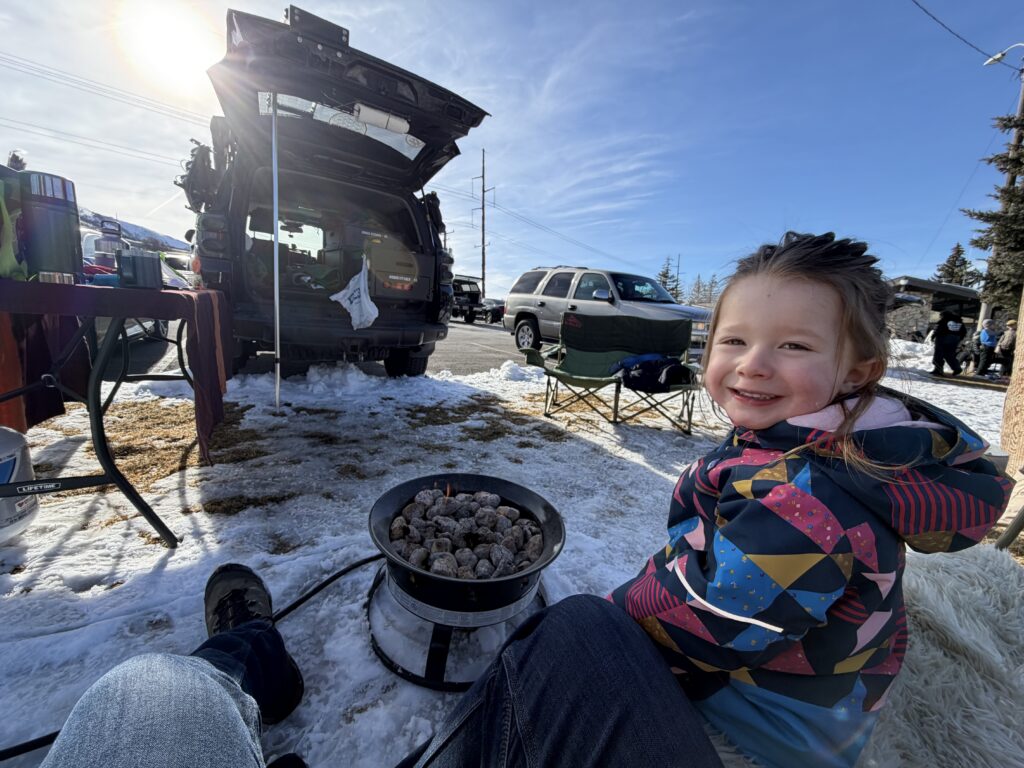
Overlanding isn’t a fringe hobby anymore. Interest in overlanding has grown over 2,000% compared to just a decade ago, and the 2025 US Overlanding Report estimates there are now 3.5 million active overlanding participants in the United States. The core demographic? Largely adults aged 25 to 54 — which is a fancy way of saying: parents.
That’s not a coincidence.
The fastest-growing segment of the outdoor recreation industry isn’t being driven by solo backcountry thrill-seekers. It’s being driven by people who want to bring their families along — people who want better gear, more access, and the ability to stay out longer without making it harder on the people they love most.
A Place for Everything
Once you build an overland rig, the gear is not just “stuff on your truck.”
That truck becomes the home for that gear. The gear has a place. The truck has a purpose. And the whole system starts to make a lot more sense when you stop thinking about it as a vehicle with accessories and start thinking about it as a mobile operating system — for adventure, for family, and for everyday life.
A place for everything, and everything in its place.
That is exactly what a well-built overland rig becomes.
The cooler has a place. The shade has a place. The power station has a place. The recovery gear has a place. The camp chairs, blankets, lights, tools, first aid kit, water, snacks, and random kid gear — all of it has a place.
And that’s critical to sanity.
Because the alternative is not some cleaner, simpler life where the gear magically disappears. The alternative is unloading everything after every trip, finding a second home for it in the garage, reorganizing it before the next trip, forgetting half of it, and then repeating that cycle every time you want to get outside.
That is not simplicity. That is just moving the same gear back and forth which the thought alone makes my palms sweat.
Once the gear is attached to the vehicle, stored properly, and actually used, the vehicle becomes the storage solution. It becomes the staging area. It becomes the launch pad.

The Real Reason Parents Don’t Go
Here’s the truth nobody talks about: packing is the enemy of adventure.
Not the trail. Not the weather. Not the logistics of finding a campsite. The thing that stops most parents from getting outside with their kids is the sheer weight of preparation. The mental load of building a gear list, pulling it from three different corners of the garage, loading it into a vehicle that wasn’t designed to hold any of it, and then doing the whole thing in reverse when you get home — with tired, hungry kids — is enough to make you never attempt it again.
I know this firsthand. I’m a single dad with a three-year-old. If I’m not at the ready, I’m never ready. That’s just the reality of parenting at this stage. The window to go is small. The energy to prep is limited. And a toddler does not care about your packing timeline.
The overland rig changed that completely.
Because the rig is always loaded. The tent is on the roof. The fridge is stocked. The chairs are strapped down. The first aid kit is where it always is. When the window opens — and with young kids, the window opens fast and closes faster — we go. Not someday. Not next weekend when I have time to prep. Now.
Because of my overland rig, we actually go.
That might sound like a small thing. It is not. There are a lot of parents out there who want to camp with their kids, who want to get outside more, who want to build those memories — and the packing and prepping stops them from ever executing. Not once. Every single time.
The overland rig removes that barrier entirely. You are not packing for a trip. You are already packed. You are not preparing to adventure. You are already prepared. The only thing left to do is go.
The Best Dad Vehicle Ever Built
And for dads, especially, that changes everything.
Because when the overland truck is not being used for an actual overland trip, it might be the best dad vehicle ever built.
Not because it looks cool in a parking lot. Not because it photographs well at sunset. Not because it has every accessory bolted to it.
Because it lets you pivot.
And fatherhood is basically one long lesson in pivoting.
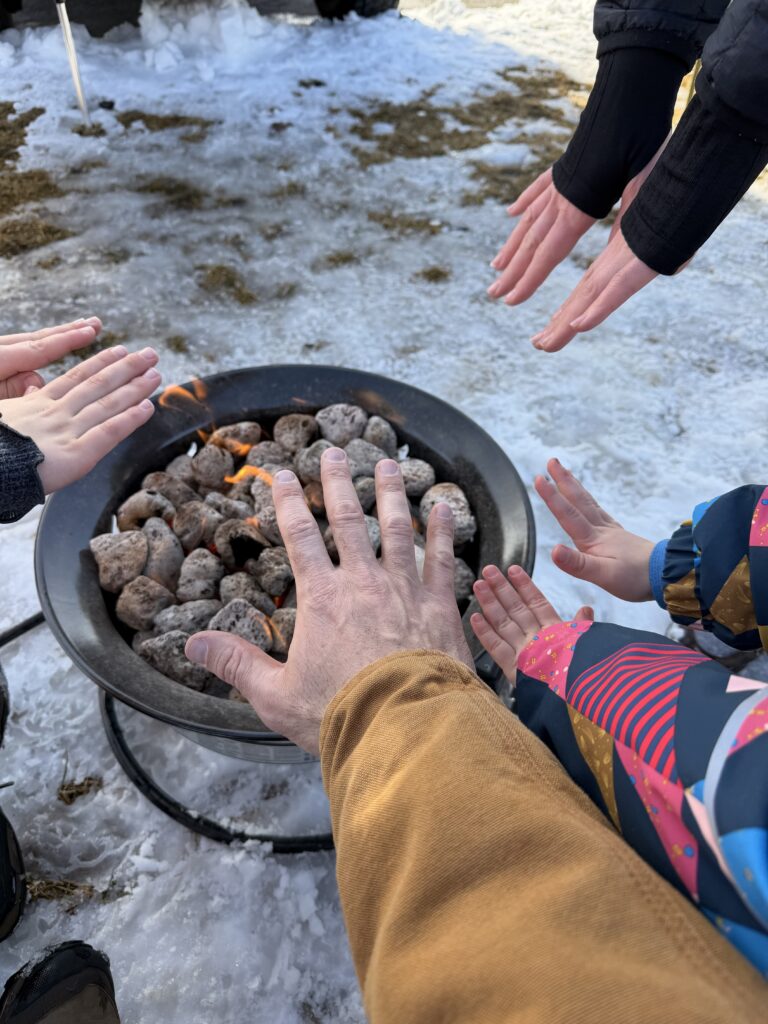
You think you are going to the park for an hour, and suddenly you are out for half the day. You think you are just going for a bike ride, and someone needs snacks, shade, a dry hoodie, a bandaid, and a place to sit. You think you are heading to a trailhead, and suddenly the plan turns into a trailgate with the gang with lunch, creek time, a nap, and a full-blown dad-gang field operation.
That is where the overland rig shines.
It is shade on demand. Cold drinks on demand. Snacks on demand. Power on demand. Tools on demand. Blankets, layers, wipes, chairs, lights, and whatever else the day suddenly requires.
It is not just an adventure vehicle. It is a DOV — Dad Operations Vehicle.
Kids Love Gear Too
Here’s something that doesn’t get talked about enough: kids are just as drawn to the gear as we are.
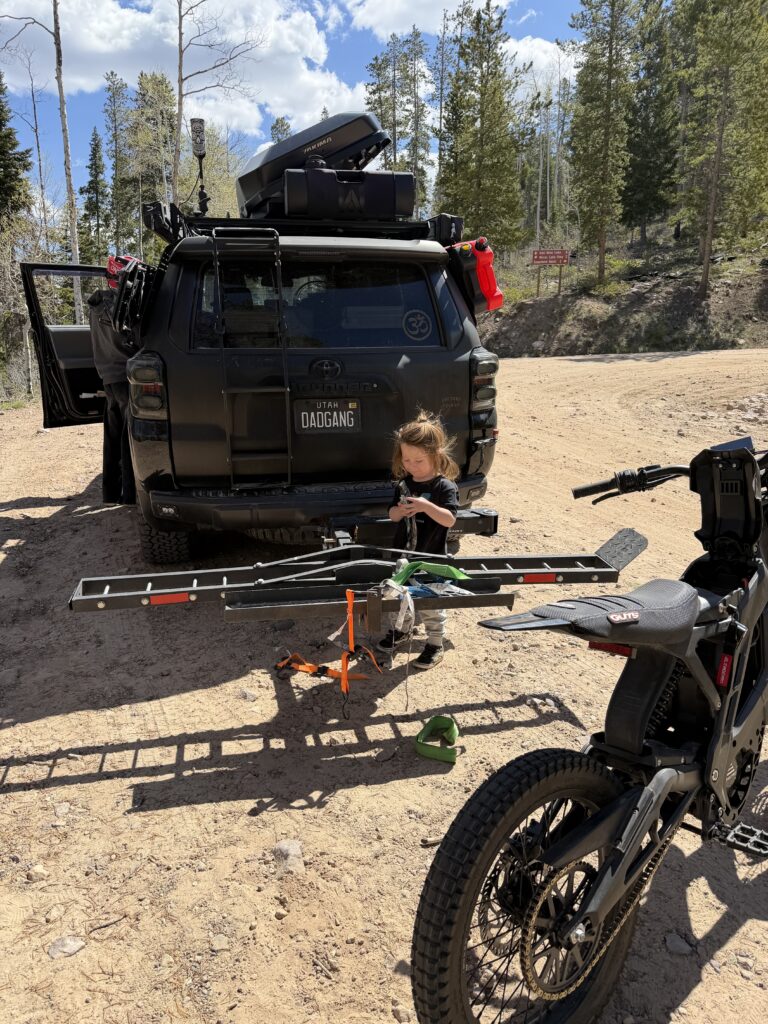
There is something about a rooftop tent, a fridge full of cold drinks, a set of recovery boards, or a glowing camp light that captures a kid’s attention in a way a screen never quite does. It is tangible. It is real. It has a job. It’s the world of tools, not toys. And when you explain what each piece of gear does — how the traction boards get you unstuck, how the power station keeps the lights on, how the awning turns any patch of dirt into a basecamp — kids lock in.
Gear is a gateway.
It pulls them out of their heads and into the present moment. It gives them something to be curious about, something to touch, something to help with. A kid who is handing you the recovery board or pumping up the air downed tires is not thinking about a screen. They are present. They are part of the operation. They are invested in the adventure.
That is one of the quiet superpowers of the overland rig. It does not just carry the family into the outdoors. It gives the kids a reason to care about being there.
Beyond the Fantasy of Escape
For a lot of people, overlanding is marketed as escape. Get away. Go remote. Find the wild. Disconnect.
All of that is real. But there is another layer that is just as useful — and maybe more honest about how most people actually live.
Overlanding is not only about getting far away from life. Sometimes it is about being better equipped for the life you are already living.
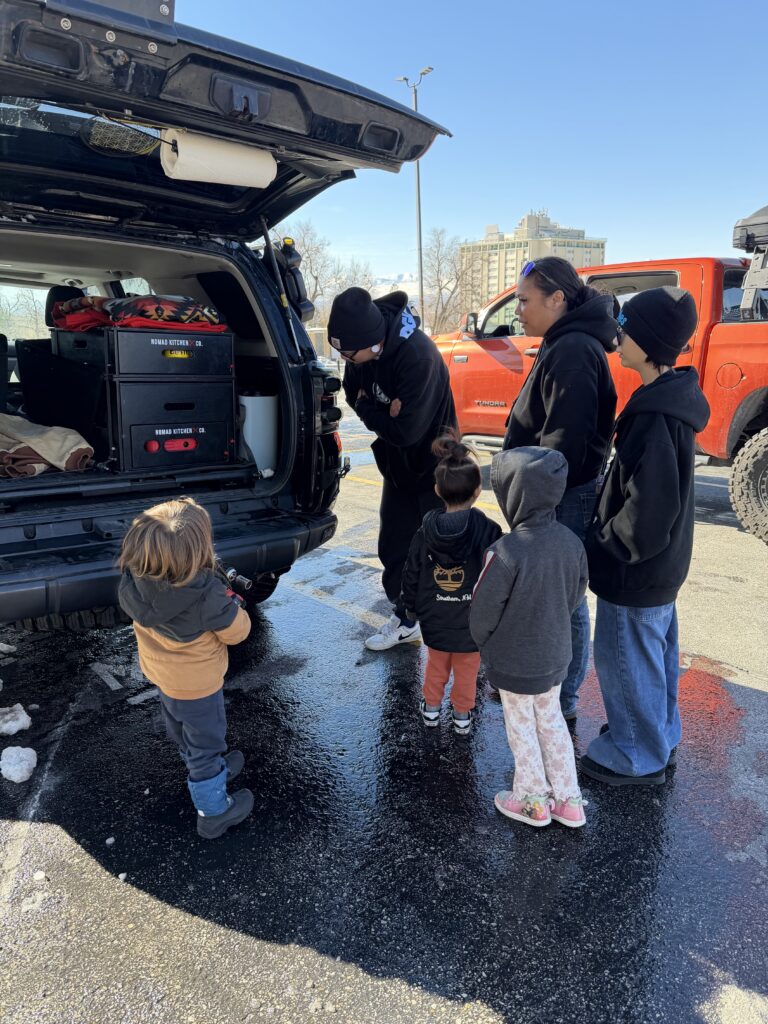
A well-built overland rig can support camping trips, road trips, ski days, bike days, beach days, soccer tournaments, trail cleanups, school pickups, tailgates, emergency weather, and random Saturday adventures that start with “let’s just go see what happens.”
That kind of readiness is valuable and critical for memory making.
The fridge that keeps drinks cold on a five-day backcountry trip also keeps snacks ready after a 90-minute bike ride. The awning that creates shade in the desert also creates shade at the trailhead. The power station that runs camp lights also inflates lake floats, charges cameras, phones, and speakers. The storage drawer that organizes recovery gear also keeps kid gear from becoming a rolling disaster.
The gear does not stop being useful when the trail ends.
Prepared to Say Yes
That is the real reframe.
Overlanding is not just about looking prepared. At its best, it is about actually being prepared.
Prepared to go farther. Prepared to stay longer. Prepared to bring people with you. Prepared to make the day easier, better, and more memorable.
And yes, sometimes that fully loaded rig will be sitting in a grocery store parking lot. That does not make it ridiculous. It might just mean the same vehicle that got used hard last weekend is also the vehicle picking up dinner on Tuesday and supporting mtb bike clinics on Thursday.
That is not fake adventure. That is integration.
The gear has a place. The vehicle has a purpose. The family has options.
So maybe the overland rig does not need to be defended as some extreme expedition machine.
Maybe it needs to be understood as something more practical.
A mobile basecamp. A family adventure platform. A dad-gang support vehicle. A rolling garage. A shade structure. A snack station. A tool kit. A power hub. A reason to say yes more often. A reason to stay outside with your kids.
Yes to the trail. Yes to the park. Yes to the campout. Yes to the last-minute plan. Yes to staying longer because you actually brought what you needed — and no to screen time and staying indoors.
That, to me, is the real value of the overland vehicle.
Not the fantasy of disappearing forever into the backcountry.
The ability to show up better wherever the day takes you.

Sources
2025 US Overlanding Report (Rudiment LLC) • Offroadium Overlanding Trend Analysis • SEMA Rise of Overlanders Report
